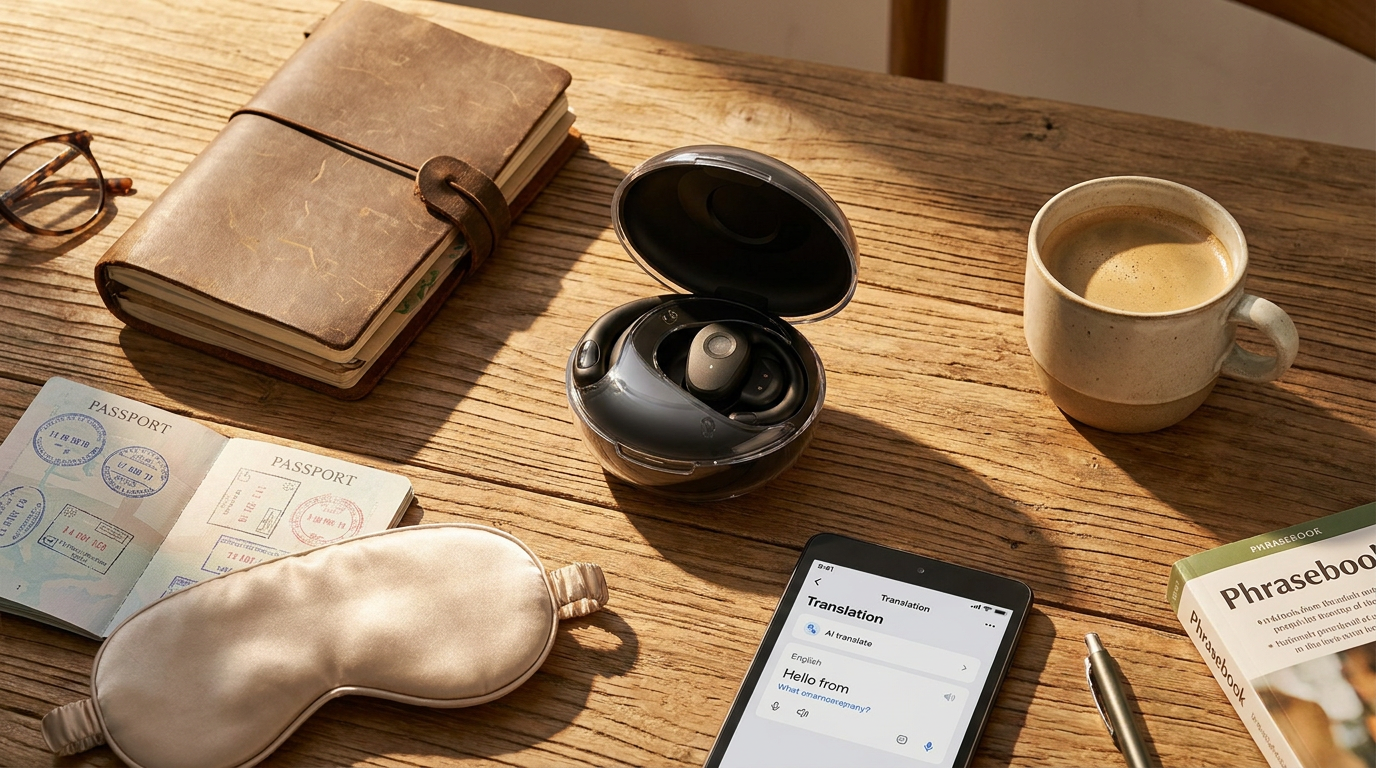
Scaling AI Powered Wireless Bluetooth Translation Headphones
 Maya ChenContributing Editor
July 1, 2026. This analysis evaluates the technical viability of AI Powered Wireless Bluetooth Translation Headphones with HiFi Stereo Sound within professional and travel environments. It is designed for consumers who require low-latency audio processing without sacrificing the acoustic fidelity expected of high-end consumer electronics.
The Latency Paradox in Linguistic Hardware
The conventional wisdom says that any Bluetooth device can facilitate a conversation if the software is fast enough. I disagree. The reality of real-time communication is dictated by the physics of packet loss and the limitations of standard codecs. Most users believe that a delay of 500 milliseconds is acceptable; however, in a fluid conversation, that half-second gap is the difference between a natural exchange and a disjointed series of interruptions. According to SoundGuys, advanced units like the Timekettle W4 Pro utilize AI-powered interpreter systems to manage bidirectional translation across 40 languages and 93 accents, highlighting the sheer computational load required to maintain accuracy. The industry often ignores the fact that translation is not just about vocabulary—it is about the timing of the delivery. When users search for real time voice translator headphones, they are often met with devices that prioritize the dictionary over the delivery. Run the math: if your device takes 200ms to capture, 400ms to process in the cloud, and another 200ms to play back, you have nearly a full second of lag. This makes real time voice translator headphones functionally useless for high-stakes business negotiations or fast-paced social interactions where cadence is as important as content.
Engineering Fidelity into Translation Workflows
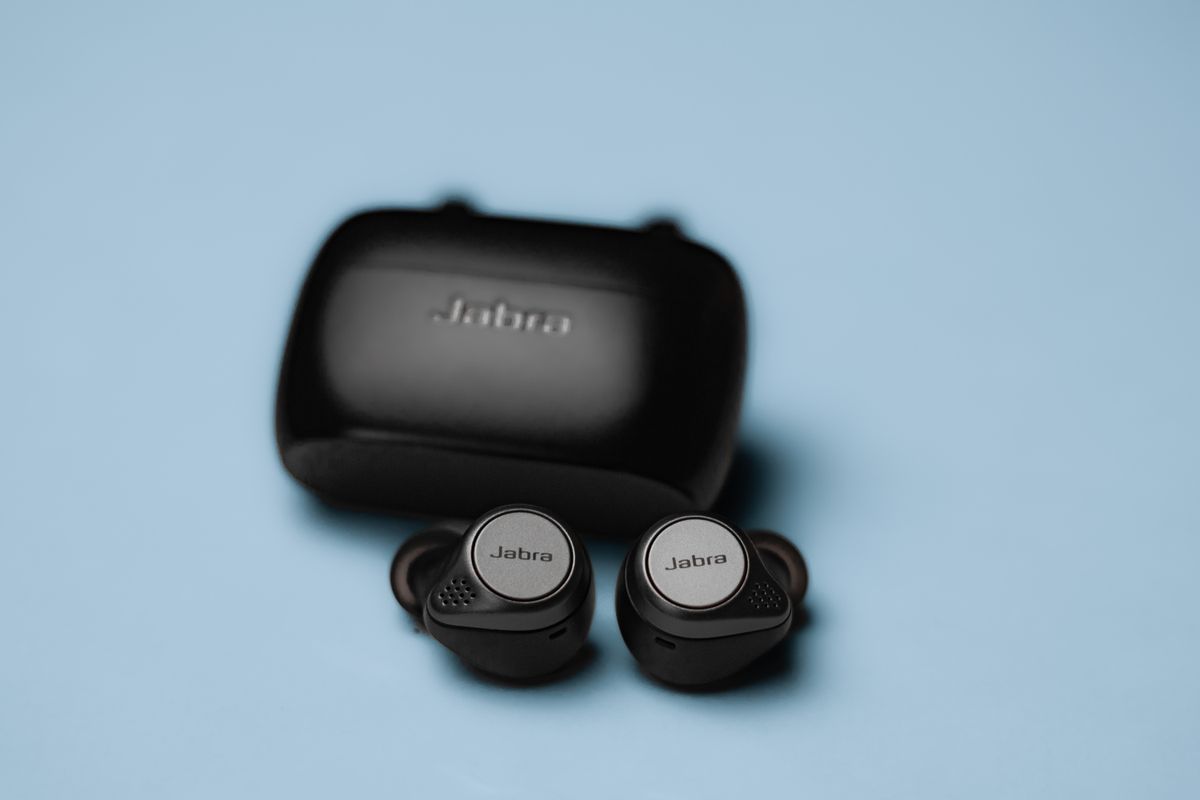
Photo by Shantanu Kumar on Pexels
AI Powered Wireless Bluetooth Translation Headphones with HiFi Stereo Sound address the hardware-software bottleneck by integrating translation logic directly with high-fidelity audio drivers. Unlike standard bluetooth earbuds with live translation, which often treat translation as a secondary software overlay, these headphones are built on the premise that audio quality directly impacts translation accuracy. If the microphone array cannot isolate the speaker's voice from ambient noise with high precision, the AI receives a degraded signal, leading to the "hallucinations" or errors common in lower-tier devices. These headphones utilize specialized Bluetooth protocols to ensure that the HiFi stereo output remains consistent even while the translation engine is active. This dual-stream capability is essential because it allows the user to maintain environmental awareness while receiving translated audio. Many bluetooth earbuds with live translation force a mono-audio downsample during translation mode to save bandwidth, which flattens the soundstage and increases listener fatigue. By maintaining a HiFi profile, the AI Powered Wireless Bluetooth Translation Headphones with HiFi Stereo Sound ensure that the nuances of tone and inflection are preserved, which is a critical component of human communication that raw text-to-speech engines often miss. Here's the part nobody talks about: the more natural the synthesized voice sounds, the less cognitive load the brain requires to process the information, making long-term use far more sustainable than with budget alternatives.
Evaluating Translation Hardware Performance
When transitioning from theoretical specs to real-world application, the decision to invest in high-fidelity translation hardware should be based on measurable performance metrics rather than marketing claims. The market is saturated with devices that claim "instant" results, but few can sustain that performance outside of a quiet room with a strong Wi-Fi signal. Certified Languages, in their testing of popular devices like the Timekettle M3 Translator Earbuds, noted that popularity often stems from Amazon reviews rather than rigorous linguistic stress tests. To ensure a device actually meets the demands of a global traveler or professional, one must look at the integration of the translation engine with the physical acoustics of the earbud. I'll change my mind when a budget-tier device can handle a crowded train station without dropping the translation accuracy below 80%. Until then, the focus must remain on hardware that treats audio as a primary data input. Use the following checklist to evaluate your needs:
- Verify the presence of dedicated noise-canceling microphones specifically for the translation engine.
- Confirm the device supports offline translation for at least five major languages to mitigate connectivity issues.
- Check for HiFi stereo support to ensure the device functions as a primary pair of music headphones when not translating.
- Assess the battery life specifically during active translation mode, which consumes significantly more power than standard playback.
- Ensure the software ecosystem allows for regular firmware updates to the AI models.
Shop AI Powered Wireless Bluetooth Translation Headphones with HiFi Stereo Sound here
Sources
Photo by Shantanu Kumar on Pexels
- Timekettle M3 Voice Language Translator Earbuds/Earpieces
- We Tested 3 AI Translation Devices: Here's What We Found
- The best translation earbuds in 2026 - SoundGuys