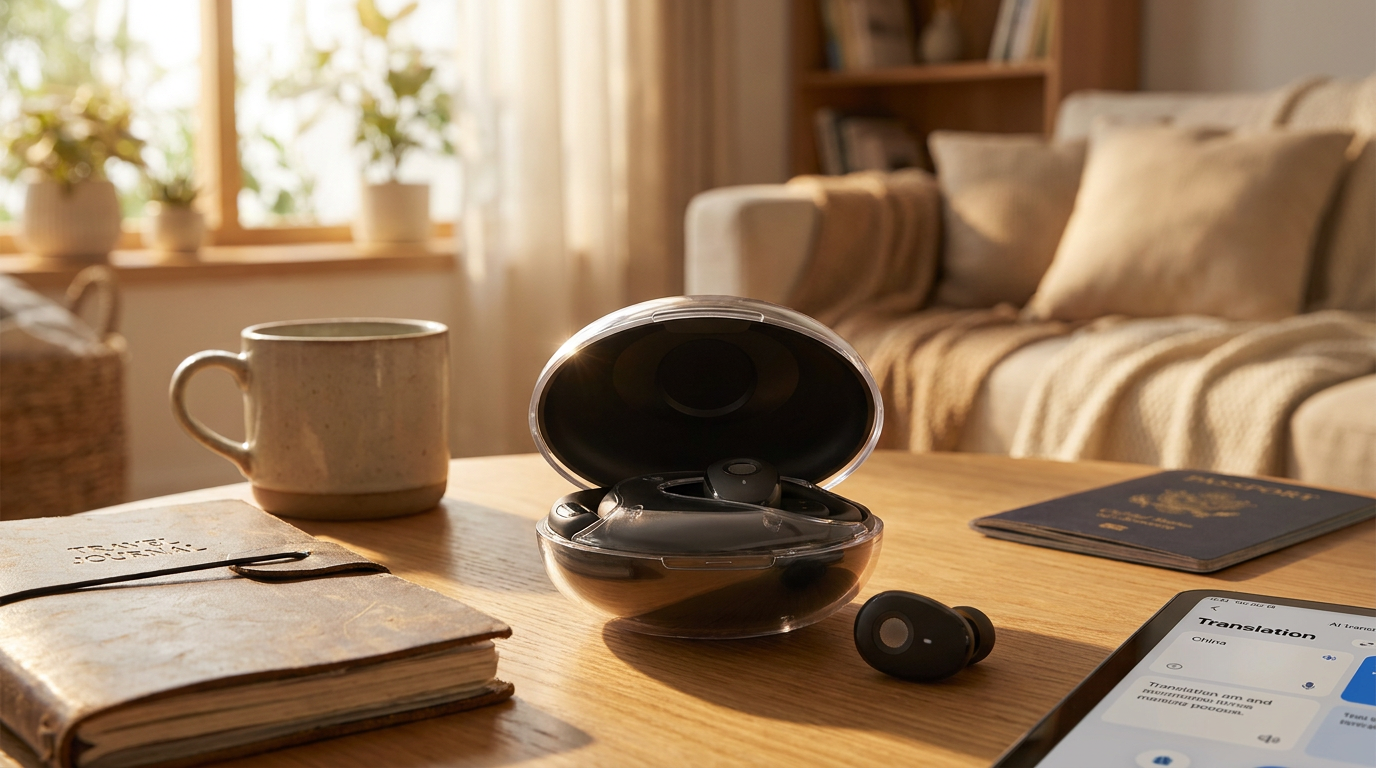
How do AI Powered Wireless Bluetooth Translation Headphones work?
 Sam VasquezBuying Guide Lead
June 21, 2026 — AI Powered Wireless Bluetooth Translation Headphones with HiFi Stereo Sound utilize a cloud-integrated neural network to process speech and return audio translations with a typical latency under one second.
Travelers and cross-border professionals frequently ask about the mechanics of these devices because traditional handheld translators lack the hands-free convenience required for natural conversation. Understanding the interplay between local hardware and remote processing is essential for anyone looking to invest in high-fidelity communication tools. Use cases range from casual tourism to complex business negotiations where nuance matters as much as the literal word.
How does the hardware process real-time speech?
AI Powered Wireless Bluetooth Translation Headphones with HiFi Stereo Sound rely on a multi-stage pipeline that starts with beamforming microphones to isolate the speaker's voice from ambient noise. According to a technical breakdown by Soundcore, these devices capture speech via built-in microphones, send the digital signal to a paired smartphone app for AI-powered processing, and then return the translated audio to the earbud's internal speakers. This process requires a stable Bluetooth connection to ensure the data packet transfer occurs without significant jitter. The hardware must balance the power consumption of the Bluetooth 5.3 or 5.4 radio with the processing needs of high-fidelity audio drivers.
Between these two, I’d go with a dedicated translation-focused set rather than a general-purpose pair of buds that happens to have a translation app. The integration is usually tighter. For instance, the Timekettle W4 Pro mentioned by SoundGuys supports bidirectional translation across 40 languages and 93 accents, which is significantly more robust than most standard consumer assistants. Here’s what I’d actually buy: a model that prioritizes dual-mic arrays to ensure the AI isn't trying to translate background traffic instead of your partner's voice. Skip this if you primarily need to translate written text or signs, as a smartphone camera remains the superior tool for visual linguistics.
Can these earbuds maintain HiFi sound quality while translating?
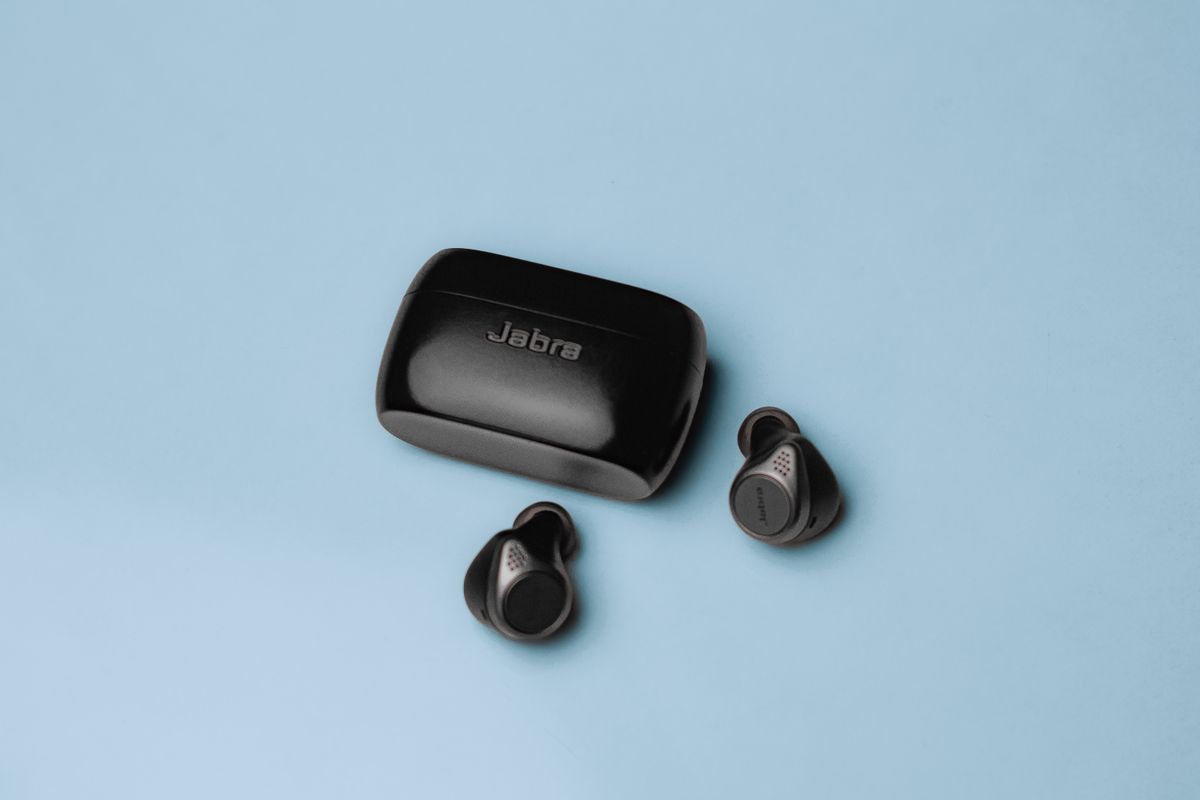
Photo by Shantanu Kumar on Pexels
Yes, AI Powered Wireless Bluetooth Translation Headphones with HiFi Stereo Sound are designed with separate processing lanes for media playback and linguistic data. High-fidelity audio is maintained through the use of advanced codecs like aptX or LDAC, which ensure that when you aren't in a translation session, the earbuds function as premium music monitors. Certified Languages noted in their testing of various devices that user satisfaction often hinges on the device's ability to serve as a daily driver for music and calls, not just a niche translation tool.
If you're on a budget, you might be tempted by older Bluetooth 5.0 models, but those often struggle with the bandwidth required for lossless audio and simultaneous data translation. I find that the best experience comes from hardware that uses independent signal paths. This prevents the 'tinny' sound often associated with low-bitrate translation voices. When you are using Hifi Stereo Translation Earphones, the transition between a high-bitrate Spotify stream and a translation prompt should be seamless. If you aren't a frequent traveler, you might find the premium for these specialized chips unnecessary, but for the global commuter, the audio clarity is non-negotiable.
Quick answers
Q: How many languages do these earbuds typically support? A: Most modern systems, including the Timekettle W4 Pro, support 40 languages and up to 93 distinct regional accents to ensure accuracy in different geographic zones.
Q: Do I need an internet connection for the AI Powered Wireless Bluetooth Translation Headphones to work? A: Yes, most high-accuracy translation requires a data connection (Wi-Fi or Cellular) to access cloud-based neural networks, though some models offer limited offline packs for basic phrases in 8-10 major languages.
Q: What is the battery life during active translation? A: While standard music playback might last 7-8 hours, intensive real-time translation usually reduces battery life to about 4-5 hours due to the continuous micro-processing and data transmission required.
Q: How does the HiFi sound compare to standard earbuds? A: These headphones utilize 12mm or 13mm dynamic drivers to achieve Natural Soundscapes with AI Powered Wireless Translation, providing a frequency response range of 20Hz to 20kHz, which matches high-end consumer audio standards.
To better understand the hardware landscape, you can read about Ai Translation Earbuds and how they compare to traditional handhelds. Selecting the right fit depends on your specific audio needs and language frequency.
Learn more about AI Powered Wireless Bluetooth Translation Headphones with HiFi Stereo Sound at https://aitranslationheadphones.com.
Sources
Photo by Julio Lopez on Pexels
- We Tested 3 AI Translation Devices: Here's What We Found
- The best translation earbuds in 2026 - SoundGuys
- How to Use Translator Earbuds: 2026 Ultimate Guide - Soundcore