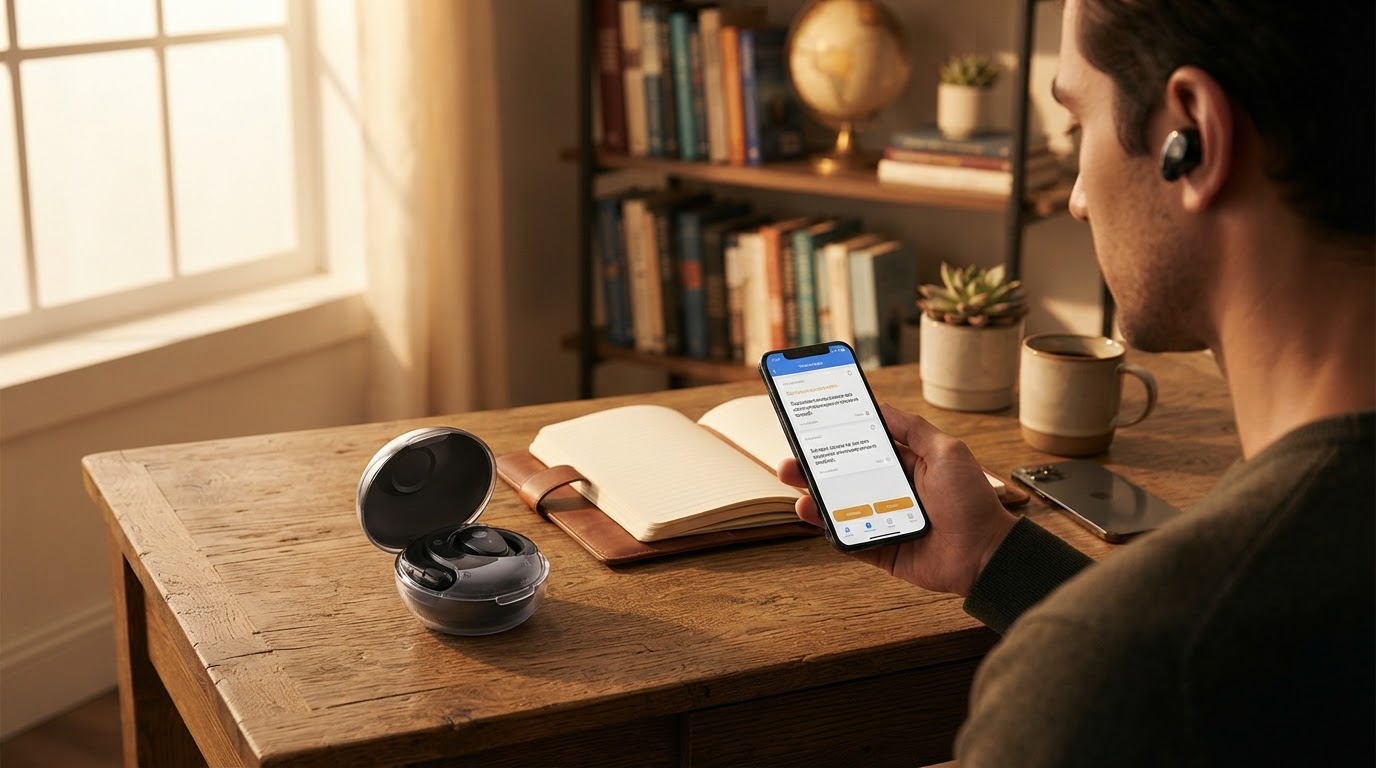
Do AI Powered Wireless Bluetooth Translation Headphones work?
 Sam VasquezBuying Guide Lead
July 29, 2026 — AI Powered Wireless Bluetooth Translation Headphones with HiFi Stereo Sound provide near-instantaneous speech-to-speech conversion across multiple languages, though performance remains dependent on stable data connectivity.
Travelers and business professionals often ask if wearable tech can truly replace a human interpreter. As neural networks improve, the gap between handheld translators and wearable earpieces is closing. For those navigating foreign environments, the priority is finding a device that balances low-latency processing with clear audio output.
How fast is the translation in these earbuds?
Real-time translation typically occurs within 0.5 to 2 seconds, depending on sentence complexity and network speed. While marketing may suggest "instant" results, the AI requires a brief buffer to process syntax. Effective units often use a combination of local and cloud-based engines. In crowded areas with poor reception, lag increases. Hybrid models are generally preferred because they offer a safety net via offline language packs when you lose signal in subways or remote areas. Latency is only half of what makes a conversation work; the other half is turn-taking. Because the device needs a pause to decide a sentence has ended, two people who speak over each other get a garbled result no matter how fast the processing is. In practice the technique that works resembles a phone call on a bad line: one short sentence, a visible pause, then let the other person answer. People adapt within a minute or two once they can see the pattern, which is why a face-to-face exchange works far better than trying to translate a whole table at once.
Accuracy also falls off in predictable places rather than randomly. Numbers, names, addresses and menu items are the weak points, because they carry no surrounding context for the model to lean on. For anything where a mistake would cost you — a platform number, a price, a street name — have it written down or shown on screen rather than trusting the spoken pass. Full sentences in ordinary vocabulary come through more reliably than the short fragments people instinctively fall back on when they are unsure.
Can these headphones replace standard HiFi earbuds?
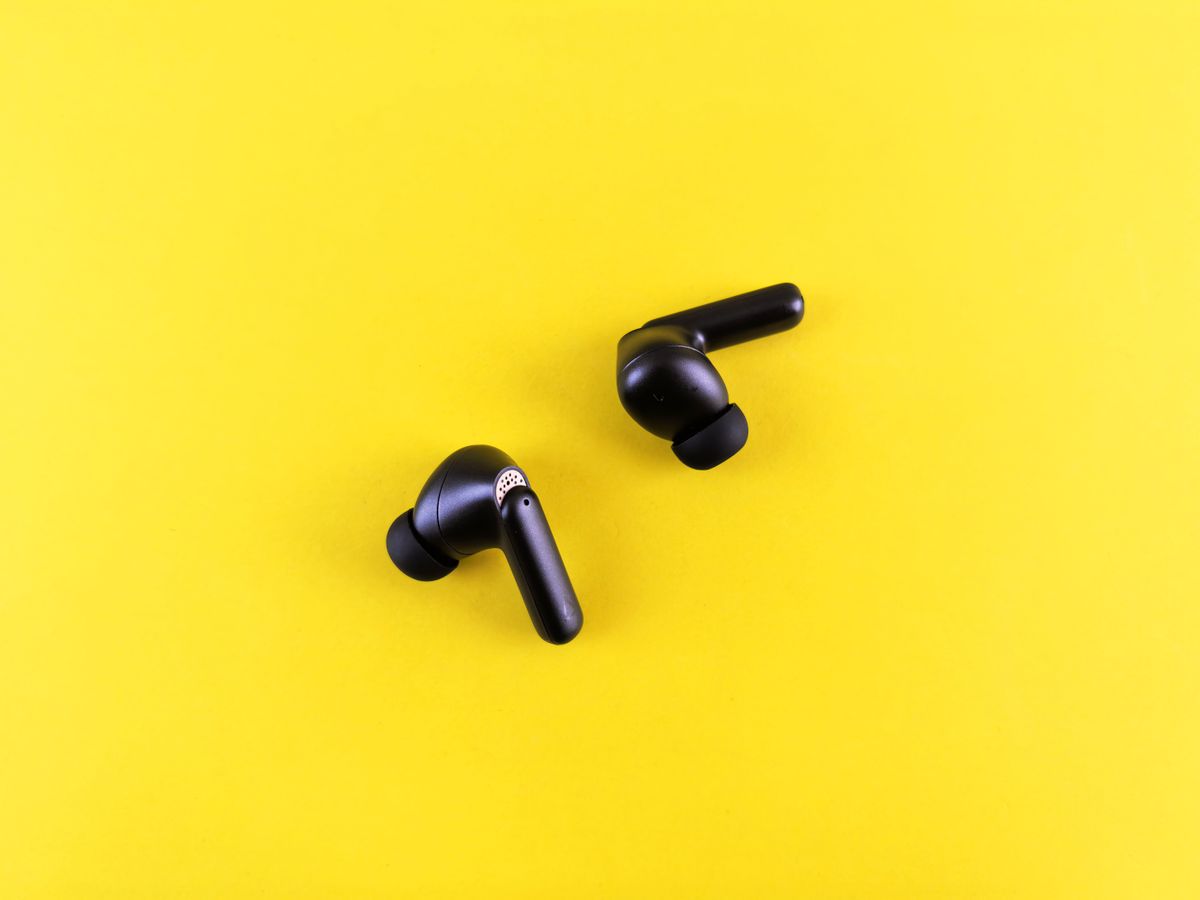
Photo by Andrey Matveev on Pexels
Yes, AI Powered Wireless Bluetooth Translation Headphones with HiFi Stereo Sound function as primary media drivers when translation features are inactive. Unlike early translators with tinny speakers, current models integrate high-fidelity drivers for music and meetings. While not intended for studio-grade monitoring, their dual-purpose nature is a strong selling point. Integrated noise-canceling technology ensures both the translated voice and media remain audible in high-decibel environments like airports. A few habits get noticeably more out of a set on a travel day. Download the language packs you expect to need before you leave, on home or hotel wifi rather than a roaming connection — they are large, and the moment you actually want them is usually the moment you have the worst signal. Keep the case charged and treat it as the real battery: translation drains a bud far faster than music does, and moving one bud into the case while using the other keeps a conversation going indefinitely, at the cost of stereo.
It is also worth deciding in advance how you will hand a bud over, since most one-to-one modes assume the other person wears one. Offering an earpiece to a stranger goes better with a visible wipe first, and in some settings it will simply be declined — in which case the phone's speaker mode is the fallback to know how to reach before you need it. Fit matters more than usual too: a bud that is not sealed properly picks up more of the room than of the speaker, and background noise is the single biggest cause of a bad translation.
Quick answers

Photo by Tima Miroshnichenko on Pexels
Q: How many languages do these earbuds typically support? A: Most high-end models support upwards of 40 languages and over 90 regional accents, helping travelers differentiate between dialects like Castilian and Latin American Spanish.
Q: Do I need a smartphone for the translation to work? A: Yes, these headphones require a Bluetooth connection to a smartphone app for AI processing. An active data or Wi-Fi connection is necessary for real-time features.
Q: How long does the battery last during active translation? A: Continuous translation is power-intensive, yielding about 5 hours of use. When used as hifi stereo translation earphones for music, battery life often extends to 10 or 12 hours.
When selecting AI Powered Wireless Bluetooth Translation Headphones for travel, battery life and audio quality are vital. Look for models with a dedicated "Touch Mode" for one-on-one conversations to prevent the AI from processing background noise.
Learn more about AI Powered Wireless Bluetooth Translation Headphones with HiFi Stereo Sound at https://aitranslationheadphones.com.