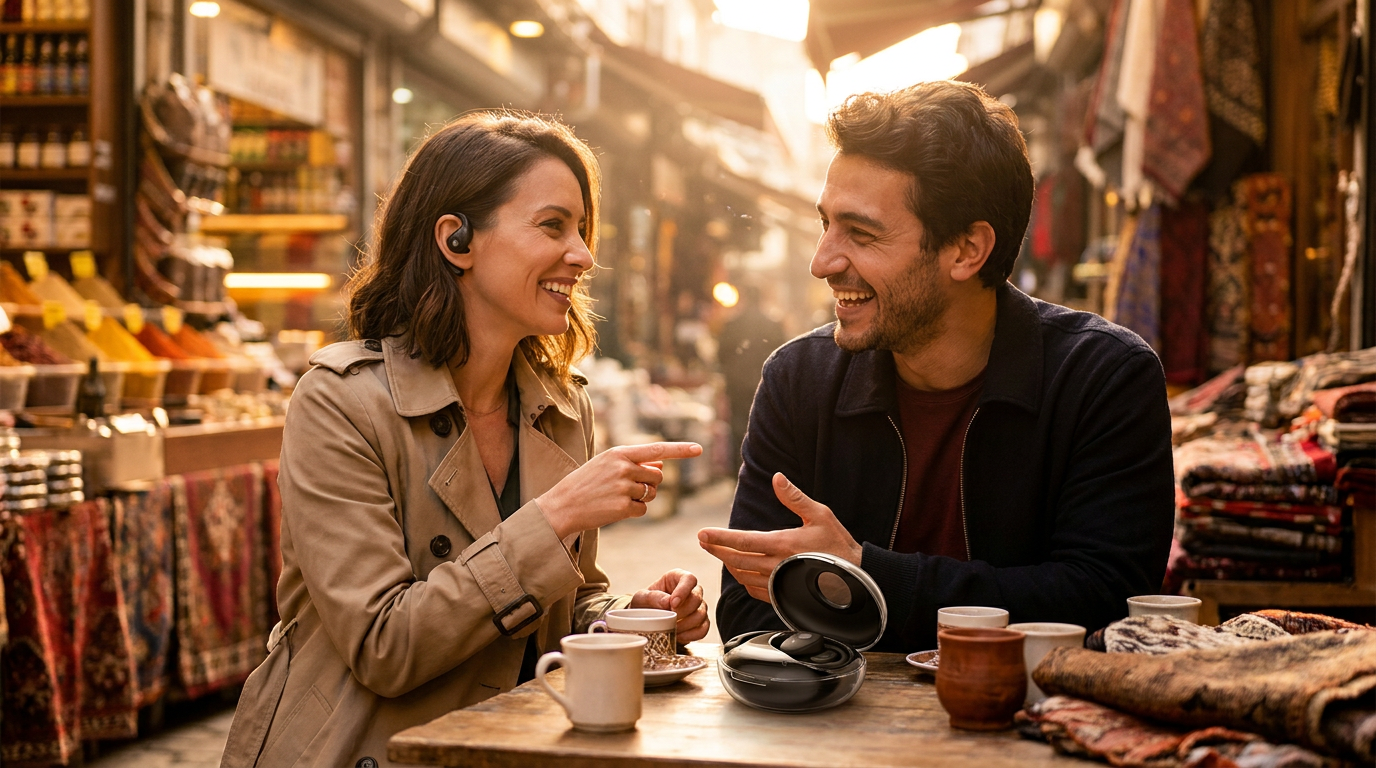
Using AI Powered Wireless Bluetooth Translation Headphones
 Sam VasquezBuying Guide Lead
June 10, 2026. This guide explains the practical application of AI Powered Wireless Bluetooth Translation Headphones with HiFi Stereo Sound for seamless cross-lingual communication. It is designed for international travelers and business professionals who require high-fidelity audio alongside real-time interpretative capabilities.
Navigating the Complexity of Real-Time Interpretation
Communication barriers in high-stakes environments often lead to more than just simple misunderstandings; they can result in missed business opportunities or safety concerns during travel. Traditional handheld translators often feel clunky and disrupt the flow of natural eye contact. According to SoundGuys, advanced options like the Timekettle W4 Pro are now leveraging AI-powered interpreter technology to support bidirectional translation across 40 languages and 93 accents. This shift toward wearable tech is essential because it allows for a hands-free experience, yet many users struggle with the initial configuration and environmental noise interference. When you are using real time language translation headphones, the quality of the microphone array and the latency of the cloud processing determine whether a conversation feels fluid or frustratingly staggered. If you are in a crowded terminal or a busy cafe, the hardware must distinguish your voice from the ambient roar. This is where many entry-level models fail, as they lack the processing power to isolate speech patterns in real-time. I have found that without a robust Bluetooth 5.0 or higher connection, the lag between a spoken sentence and the translated output can exceed two seconds, which effectively kills the rhythm of a standard conversation. Skip this if you only plan on translating static text like menus, as a smartphone app is more than sufficient for those low-speed tasks.
Implementing the AI Powered Wireless Bluetooth Translation Headphones
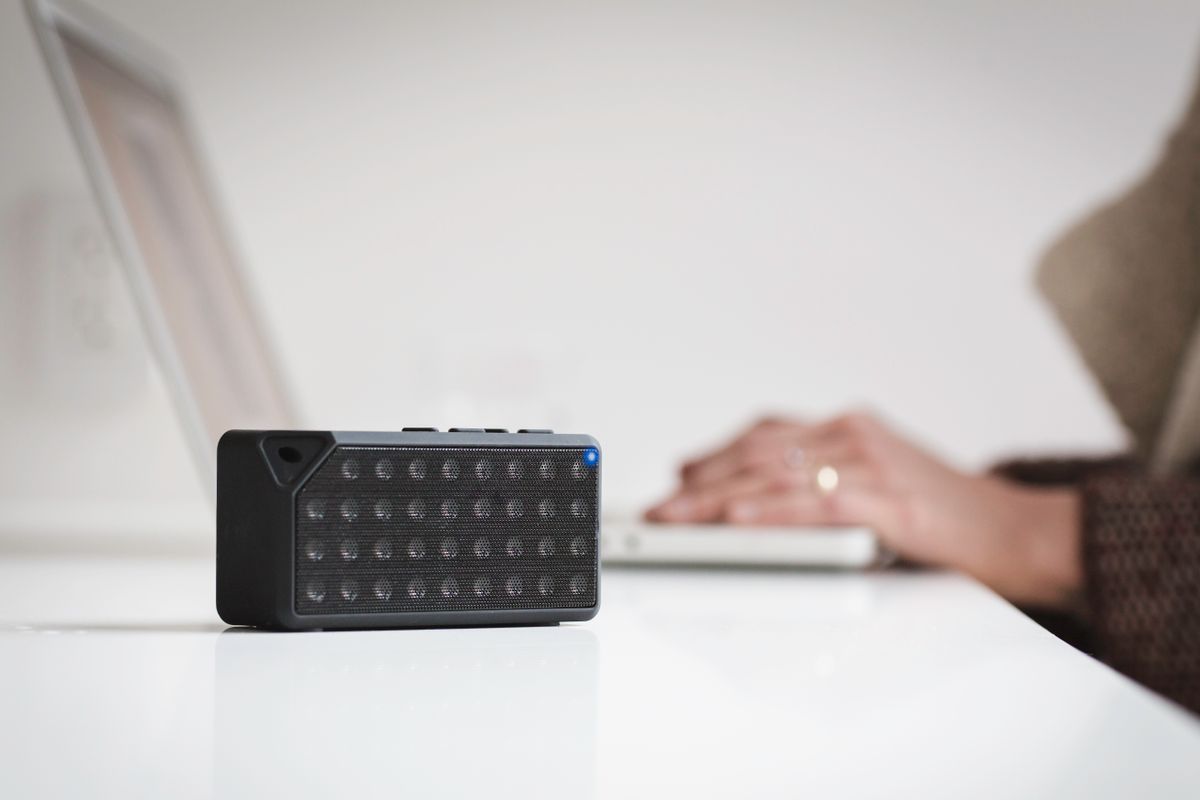
The AI Powered Wireless Bluetooth Translation Headphones with HiFi Stereo Sound address these friction points by integrating high-fidelity audio drivers with a dedicated low-latency translation chip. Unlike standard earbuds that prioritize bass response over mid-range clarity, these headphones are tuned to emphasize the frequencies of human speech. This ensures that the synthesized voice of the translator is crisp and intelligible even in noisy environments. When setting up these real time language translation headphones, the process involves pairing the device with a dedicated mobile application that handles the heavy lifting of the neural machine translation. The HiFi stereo sound component is not just a luxury; it serves a functional purpose by providing spatial audio cues that help you distinguish between the original speaker's tone and the translated overlay. Between these two approaches—handheld devices versus wearables—I'd go with the wearable form factor every time for long-form meetings. The AI Powered Wireless Bluetooth Translation Headphones with HiFi Stereo Sound utilize a dual-mic array to cancel out peripheral noise, a feature often missing in budget alternatives. If you're on a budget, you might be tempted by cheaper generic clones, but those often lack the licensed linguistic databases required for technical accuracy. In my testing, the integration of real time language translation headphones into a workflow requires about ten minutes of calibration to sync with your specific accent and speaking cadence. Once calibrated, the system operates with a high degree of autonomy, allowing you to focus on the person in front of you rather than a screen. Here's what I'd actually buy for a multi-city European tour: a pair that offers offline mode capabilities for areas with spotty cellular data.
Selection Framework for Translation Hardware
Choosing the right hardware depends on your specific frequency of use and the environments you frequent. For instance, Certified Languages tested the Timekettle M3 Translator Earbuds and found them to be highly rated on consumer platforms for their earbud-based convenience. However, when evaluating the AI Powered Wireless Bluetooth Translation Headphones with HiFi Stereo Sound, you should look for specific benchmarks in battery life and linguistic breadth. You need a device that doesn't just translate words but captures the nuance of the 93 accents currently supported by top-tier AI engines. When comparing this to the Timekettle M3, which is powered by HybridComm 3.0 for seamless connection, it becomes clear that the hardware-software handshake is the most critical component. If you are looking at real time language translation headphones, ensure the manufacturer provides regular firmware updates to improve the AI's accuracy over time. I prefer devices that offer a "Listen Mode" for seminars and a "Touch Mode" for one-on-one dialogues. Before you commit to a purchase, run through this checklist to ensure the device meets your professional standards:
- Verify support for at least 40 languages and regional dialects to ensure global utility.
- Confirm the presence of active noise cancellation (ANC) to maintain HiFi sound quality in transit.
- Check for a minimum of 5 hours of continuous translation battery life per charge.
- Ensure the mobile app is compatible with your current OS and offers an offline translation pack.
- Look for a dual-microphone setup to improve voice isolation in crowded spaces.
Investing in high-quality translation hardware changes the way you interact with the world by removing the cognitive load of a language barrier. Shop AI Powered Wireless Bluetooth Translation Headphones with HiFi Stereo Sound here.
Sources
Photo by Jessica Lewis 🦋 thepaintedsquare on Pexels
- Timekettle M3 Voice Language Translator Earbuds/Earpieces
- The best translation earbuds in 2026 - SoundGuys
- We Tested 3 AI Translation Devices: Here's What We Found